
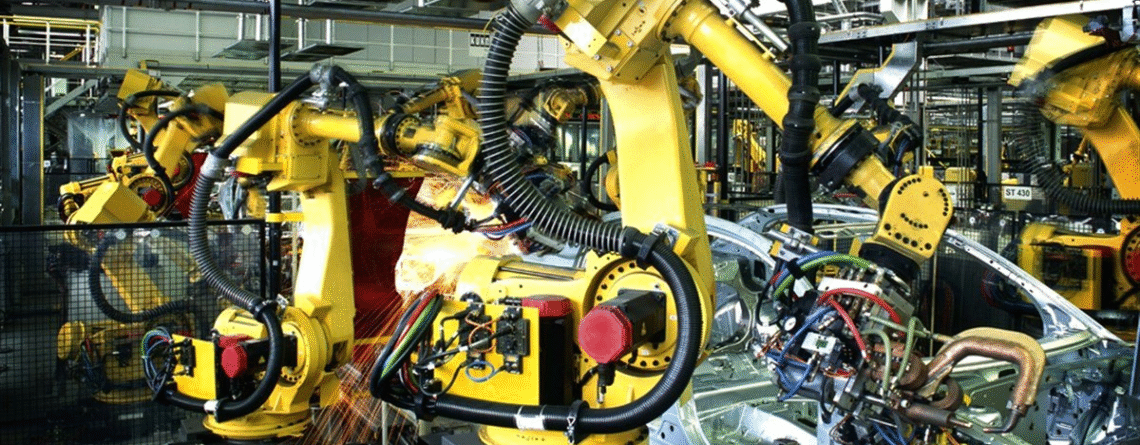
Energy Security Through Industrial Automation
Industrial Automation: The Strategic Foundation for Energy Security
Industrial automation transforms energy systems from vulnerable infrastructures into resilient platforms capable of withstanding modern challenges. This technology enables organizations to maintain uninterrupted operations while adapting to dynamic market conditions.
The New Energy Landscape Demands Automation
Supply chain disruptions and price volatility now define normal operations in energy sectors. Traditional physical infrastructure alone cannot address these challenges. Therefore, intelligent automation systems provide the necessary adaptability and risk anticipation capabilities.
Beyond Technical Upgrade: Strategic Resilience
Automation represents a fundamental strategic decision rather than merely a technical improvement. It converts fragile energy systems into robust platforms that maintain precision operations during disruptions. This transformation ensures business continuity despite external pressures.
Operational Culture as Critical Enabler
Technology implementation requires corresponding cultural evolution within organizations. Teams must understand, trust, and effectively utilize automated systems. Without this alignment, even advanced technologies risk underperformance or misapplication.

Predictive Capabilities Create Competitive Advantage
Modern automation systems detect patterns and simulate scenarios before problems occur. This proactive approach reduces risks and strengthens operational preparedness. Consequently, organizations transition from reactive maintenance to predictive optimization.
Digital Twins Revolutionize Plant Management
Virtual replicas of physical systems enable comprehensive testing and training without operational risks. Digital twins identify vulnerabilities and optimize processes before implementation. This approach enhances safety while reducing costs and improving decision-making.
Real-Time Monitoring Extends Asset Lifespan
Continuous equipment monitoring detects early signs of wear and potential failures. Automated systems initiate preventive measures before catastrophic incidents occur. This predictive maintenance maximizes availability and reduces unplanned downtime.
Energy Efficiency as Regulatory Requirement
Intelligent systems identify energy-saving opportunities in real-time operations. They adjust consumption according to demand patterns and prevent system overloads. This dynamic responsiveness has transitioned from competitive advantage to regulatory necessity.
Addressing Global Uncertainty Through Automation
Geopolitical conflicts and extreme weather events threaten energy stability worldwide. Automated systems enable rapid response mechanisms that maintain operations during disruptions. They balance generation with demand while ensuring grid stability.
Implementation Considerations
Cultural Transformation
Successful automation requires workforce development alongside technology deployment. Training programs must build competence and confidence in new systems. This human-technology integration drives optimal results.
Phased Implementation
Organizations should approach automation through incremental stages. Initial pilots demonstrate value and build organizational buy-in. Subsequent expansion addresses broader operational challenges.
Strategic Importance for Economic Stability
Energy security directly influences economic and social stability across regions. Automation investments protect critical infrastructure while ensuring continuous energy flow. This creates confidence among stakeholders and decision-makers.

Frequently Asked Questions
How does automation differ from traditional control systems?
Automation incorporates predictive analytics and adaptive response capabilities. Traditional systems typically operate within fixed parameters without learning or anticipation features.
What cultural changes support automation success?
Organizations must foster continuous learning and technology acceptance. Cross-functional collaboration and leadership commitment are essential for effective implementation.
Can automation work with existing infrastructure?
Modern automation solutions integrate with legacy systems through adaptable interfaces. Phased implementation allows organizations to preserve existing investments while gaining new capabilities.
How quickly can organizations realize benefits?
Initial efficiency improvements often appear within months of implementation. Full transformational benefits typically emerge over 12-24 months as systems mature and organizational adaptation occurs.
What sectors benefit most from energy automation?
Oil and gas, power generation, and renewable energy sectors show particularly strong returns. Manufacturing facilities with high energy consumption also achieve significant improvements.







LEAVE A COMMENT