
Hydropower Modernization Boosts Renewable Efficiency
Hydropower Modernization Project Enhances Renewable Energy Efficiency
Project Overview and Completion
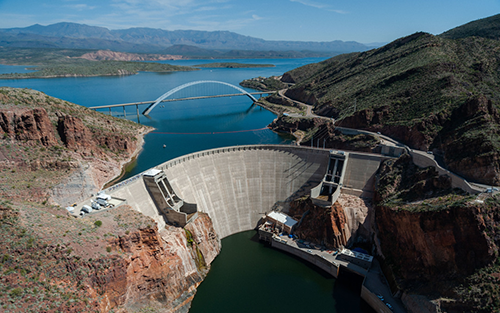
Emerson has successfully concluded a multi-year modernization initiative at four Salt River Project hydroelectric facilities in Arizona. The Roosevelt, Horse Mesa, Mormon Flat, and Stewart Mountain dams collectively generate 265 megawatts of clean hydropower, sufficient to supply electricity to more than 60,000 households annually.
Technical Implementation and System Integration
The comprehensive upgrade involved modernizing legacy excitation systems, which are critical components for power generation. These systems were seamlessly integrated with existing distributed control systems across all four hydroelectric facilities. The project standardized on Emerson’s Ovation Automation Platform, implementing advanced control strategies to enhance operational performance.
Operational Improvements and Cost Benefits
The modernization delivered substantial operational advantages, reducing maintenance expenses by 30% and cutting troubleshooting time by 50%. Enhanced operational visibility optimized critical startup and shutdown procedures, preventing potential delays that could have doubled their duration. These improvements ensure continuous operation and strengthen overall grid performance.
Utility Perspective and Performance Outcomes
SRP Hydro electrical engineer Shari Brady emphasized the project’s significance. “As operators of Bureau of Reclamation dams, we’re committed to delivering reliable, clean power to our community,” Brady stated. “Standardizing on Emerson’s unified Ovation platform across our hydro fleet, combined with strong team collaboration, enabled timely system installations despite aggressive schedules. We’ve achieved superior operational insight and simplified troubleshooting, maintaining unit reliability above the 90th percentile.”
Regional Energy Demands and Infrastructure Needs
Rising electricity consumption in the Phoenix area, driven by record population growth and extreme temperatures, has necessitated infrastructure investments by energy providers like SRP. The modernization of generator excitation systems represents a crucial component of these infrastructure improvements to meet increasing power demands.
Technology Provider Perspective
Bob Yeager, president of Emerson’s power and water business, highlighted the strategic importance of the project. “Enhanced visibility and reliability help SRP ensure continuous operation to efficiently meet customer power needs,” Yeager explained. “SRP’s decision to standardize on a fully unified automation system represents a transformative approach that positions them for long-term success amid evolving energy markets and growing power requirements.”
Advanced System Capabilities
The custom Ovation Excitation Systems include specialized configurations for pump and energy storage units requiring unique integration during pump mode transitions. These systems integrate seamlessly with existing Ovation distributed controls, creating a cohesive plant system that strengthens hydroelectric capabilities. The enhanced infrastructure supports grid reliability and accommodates increasing renewable energy integration from solar and wind resources.
Operational Simplification Benefits
The fully integrated automation platform streamlines operations and maintenance through multiple advantages. These include standardized spare parts, simplified training programs, maintained operator familiarity, and consolidated automation support through a single service contact point.
Frequently Asked Questions
What was the scope of the modernization project?
The project upgraded four hydroelectric dams along Arizona’s Salt River, modernizing excitation systems and integrating them with existing control systems.
What operational improvements were achieved?
The upgrades reduced maintenance costs by 30%, cut troubleshooting time by half, and enhanced operational visibility for critical procedures.
How much power do the modernized facilities generate?
The four dams collectively produce 265 megawatts of hydropower, enough to supply over 60,000 homes annually.
What technology platform was implemented?
The project standardized on Emerson’s Ovation Automation Platform for both excitation and plant control systems.
How does this support renewable energy integration?
The enhanced hydroelectric capabilities strengthen grid reliability and accommodate increasing renewable energy from solar and wind sources.
Strategic Industry Implications
This successful modernization project demonstrates how established hydropower facilities can leverage advanced automation technology to enhance efficiency and reliability. The implementation provides a model for other utilities seeking to optimize existing infrastructure while supporting the transition to increased renewable energy generation. The project’s outcomes highlight the importance of standardized, integrated automation systems in maintaining grid stability amid evolving energy markets and growing power demands.
Corporate Background
Emerson stands as a global industrial technology leader delivering advanced automation solutions. The company’s comprehensive portfolio includes intelligent devices, control systems, and industrial software designed to automate and optimize business performance. Headquartered in St. Louis, Missouri, Emerson combines innovative technology with operational excellence to advance the future of industrial automation.









LEAVE A COMMENT