
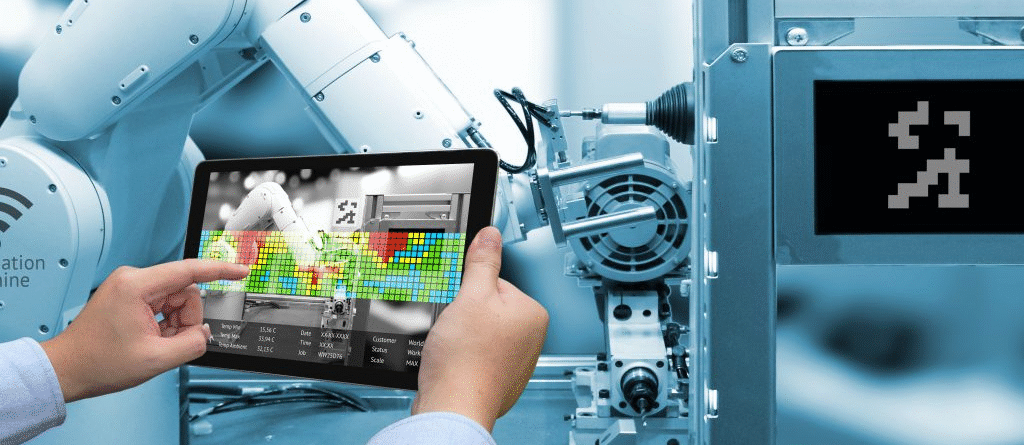
Industrial Automation Transforms Energy Sector
Intelligent Automation Revolutionizes Global Energy Operations
The Evolution Beyond Basic Robotics
Industrial automation systems now integrate artificial intelligence with advanced technologies. These solutions transform complex energy sector processes. Therefore, companies gain significant competitive advantages through this technological progression.
Enhanced Safety Through Automated Solutions
Automation substantially improves worker safety in hazardous environments. Drones and robotic systems handle dangerous tasks at remote sites. Consequently, employees avoid exposure to toxic chemicals and extreme heights.
Maximizing Operational Efficiency
Automated control systems operate continuously without performance degradation. They maintain consistent precision in monitoring and maintenance tasks. Moreover, real-time data enables superior asset management from centralized locations.

Advanced Emergency Response Capabilities
Intelligent automation provides unprecedented operational visibility. These systems identify abnormalities and initiate immediate corrective actions. As a result, companies achieve faster decision-making during critical operational events.
Strategic Implementation Across Energy Segments
Industrial automation represents essential infrastructure for energy companies. These technologies address core challenges including productivity and reliability. Furthermore, they enhance maintenance operations across all facility types.
Future Development Trajectory
Intelligent automation continues evolving through deeper AI integration. The convergence of artificial intelligence and robotics expands operational capabilities. Therefore, early adopters gain significant resilience advantages.
Expert Implementation Recommendations
Energy companies should prioritize automation in high-risk operations. The technology delivers optimal ROI in dangerous environments. However, successful implementation requires careful workforce transition strategies.
Practical Application Scenarios
Offshore drilling platforms utilize automation for remote monitoring. Pipeline operators employ SCADA systems for leak detection. Additionally, refineries implement PLC-controlled safety shutdown systems.
Industry Outlook and Analysis
The energy sector’s automation adoption accelerates annually. Major players like Siemens and ABB drive technological innovation. Meanwhile, companies balancing human expertise with automation gain sustainable advantages.

Frequently Asked Questions
How does intelligent automation differ from basic robotics?
Intelligent automation incorporates AI-driven decision-making, unlike predetermined robotic functions.
What safety improvements does automation provide?
Automation reduces human exposure to hazardous conditions including chemical exposure and height risks.
Which energy sectors benefit most immediately?
Oil and gas operations show rapid returns, especially in upstream and remote monitoring applications.
How does automation enhance operational decisions?
Real-time data analysis enables quicker response to abnormalities and centralized emergency management.
What future developments are expected?
Increased AI integration will create more autonomous energy operations with predictive capabilities.








LEAVE A COMMENT