

Offshore Platform Monitoring Systems
Remote Monitoring Transforms Offshore Platform Operations
Offshore platforms face unique operational challenges. Remote monitoring solutions now address these critical needs. They provide real-time visibility into asset performance. This technology significantly enhances safety and efficiency.
The Critical Role of Remote Monitoring
Offshore environments demand robust monitoring systems. Traditional manual inspections involve significant risks. Remote monitoring eliminates many physical check requirements. It continuously tracks equipment conditions and parameters.

Core Components of Modern Monitoring Systems
Advanced systems integrate multiple technologies. They combine industrial IoT sensors with cloud computing. High-speed satellite communications enable data transmission. These elements create comprehensive digital twins of physical assets.
Enhancing Safety Through Predictive Maintenance
Remote monitoring prevents catastrophic failures. Vibration analysis detects early equipment degradation. Temperature monitoring identifies potential overheating issues. This proactive approach minimizes emergency shutdowns.
Operational Efficiency and Cost Reduction
These solutions optimize maintenance schedules. Companies reduce helicopter transport for personnel. They minimize unplanned production downtime. The result is substantial operational cost savings.
Implementation Challenges and Solutions
Harsh marine conditions present installation hurdles. Cybersecurity requires robust protection measures. However, modern encrypted protocols ensure data security. Ruggedized equipment withstands corrosive environments.
Real-World Application Scenario
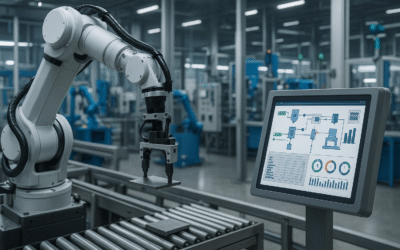
Consider an offshore drilling platform. Remote sensors monitor pump pressures and valve positions. The system alerts engineers about abnormal patterns. Technicians address issues before they escalate.
Future Trends in Offshore Monitoring
Artificial intelligence will enhance predictive capabilities. 5G technology will improve data transmission speeds. Digital twin technology will become more sophisticated. These advances will further revolutionize operations.

Frequently Asked Questions (FAQ)
What data points do these systems typically monitor?
They track pressure, temperature, vibration, flow rates, and equipment status continuously.
How reliable is satellite communication for data transmission?
Modern satellite systems offer 99.9% reliability with redundant backup connections.
Can these systems integrate with existing platform controls?
Yes, most solutions connect with PLC and SCADA systems through standard protocols.
What is the typical implementation timeline?
Most projects require 3-6 months from planning to full operational deployment.
How do you ensure cybersecurity for remote access?
We implement multi-factor authentication and encrypted VPN connections consistently.








LEAVE A COMMENT